


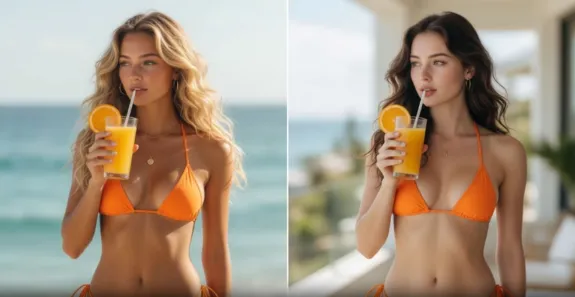

Most AI face swap tools still refuse, blur, or heavily degrade results the moment the scene gets too realistic, too intimate, or simply too “adult.” If you want true creative freedom — clean identity lock, natural skin matching, and zero content refusals — you need an unrestricted AI face swap system.
This guide shows you exactly how to do high-quality, identity-preserving face swap video in 2026, with practical settings, common failure fixes, and the best place to create them right now: Reelme ai.
👑What Is Unrestricted AI Face Swap?
Unrestricted AI face swap means the model does not refuse based on content category, clothing state, pose, or realism level. It focuses purely on technical quality: accurate facial landmark detection, identity locking, lighting/skin-tone matching, and temporal consistency (for video).
Key differences from restricted tools:
- No automatic rejection of sensual, intimate, or “edge” scenes
- Better preservation of original face structure, age, ethnicity, and micro-details (pores, freckles, moles)
- Stronger identity lock so the swapped face doesn’t drift into a generic “AI look”
- Support for both image-to-image and video face swap with motion awareness
Modern unrestricted systems usually combine:
- Advanced face detection + landmark models
- Diffusion or transformer-based generation with identity embeddings (similar to IP-Adapter / FaceID techniques)
- Optional ControlNet or reference image guidance for pose and lighting
💚Why Unrestricted Matters in 2026
Restricted platforms often degrade quality the moment they detect anything borderline. You get soft faces, wrong skin tones, lost expression, or outright refusal. Unrestricted tools treat face swap as a pure technical task. The result is higher realism, better emotional expression retention, and the ability to place any face into any scene — daily life, fantasy, fashion, or intimate settings — without artificial limits.
This is especially valuable for:
- Creators building consistent character libraries
- Personalized content (putting a specific face into lifestyle or fantasy scenarios)
- Rapid prototyping of visual ideas
- Platforms that prioritize creative freedom over heavy content filtering
📷Core Workflow: Image Face Swap
- Prepare source face
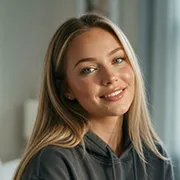
Use a clear, front-facing or slightly angled photo with good lighting. Higher resolution and neutral expression usually produce better identity transfer. Avoid heavy makeup, extreme angles, or occlusions (hands, hair, sunglasses) when possible. - Choose target image
The target should have compatible head pose and lighting for best results. Many modern tools handle moderate pose differences well, but extreme side profiles or heavy motion still benefit from careful selection. - Post-processing
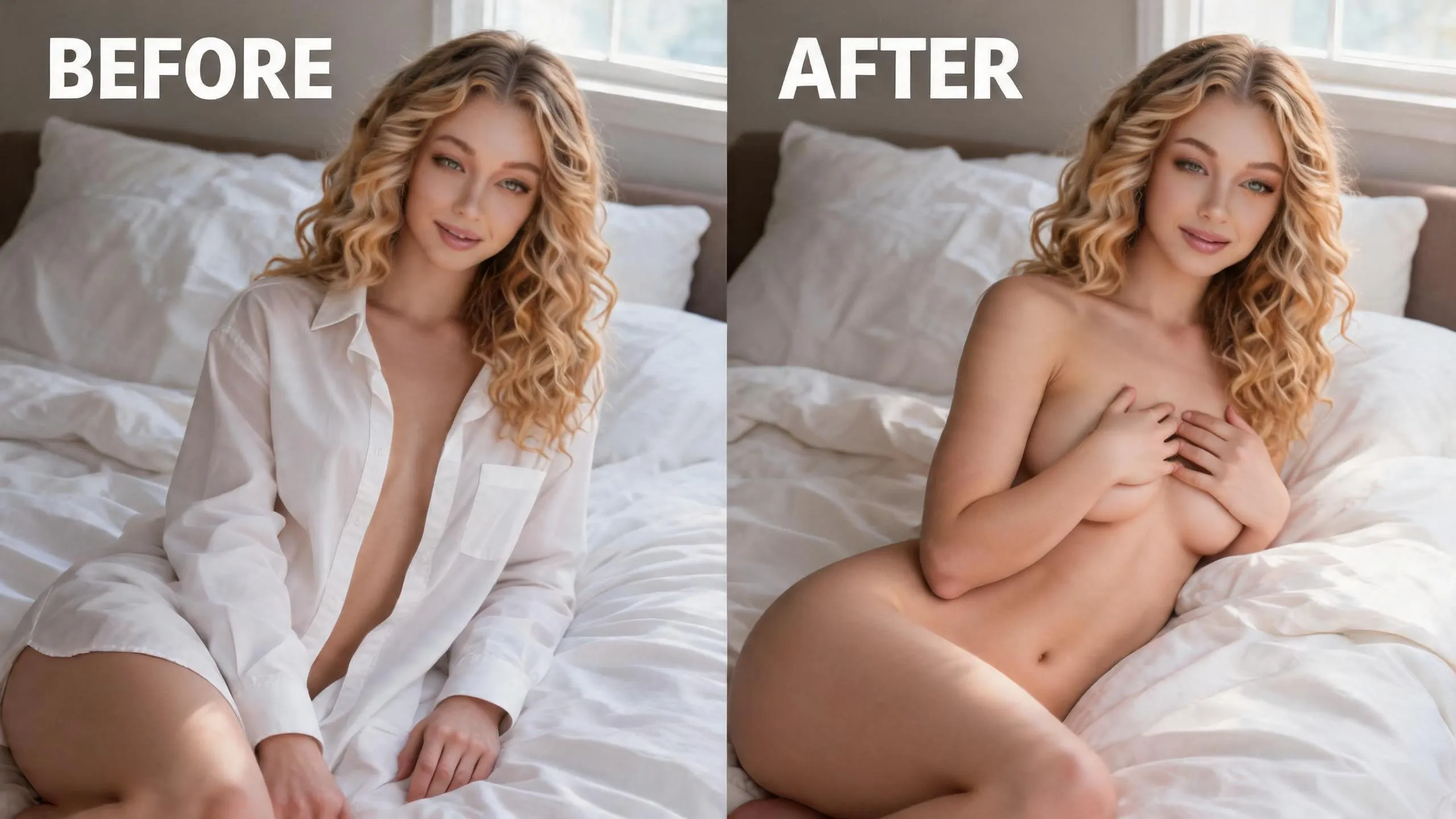
Even strong models sometimes need minor color matching or edge cleanup. A light pass with a skin-tone corrector or subtle Gaussian blur on the boundary often makes the swap invisible.
🎬Video Face Swap Considerations
Video is harder. You need:
- Temporal consistency (face doesn’t flicker or morph frame-to-frame)
- Motion-aware tracking
- Handling of expressions, talking, and partial occlusions
Best practices:
- Use models specifically trained or fine-tuned for video
- Prefer shorter clips first (5–15 seconds) to test quality
- Keep camera movement moderate; extreme pans or zooms increase artifacts
- When possible, provide a short reference clip of the source face speaking or moving for better expression transfer
🛏️Quality Tips That Actually Work
- Lighting match is king. If the source face is shot under soft window light and the target is harsh studio lighting, results suffer. Either match lighting or use tools that offer explicit lighting transfer.
- Age and ethnicity consistency. Strong identity models preserve these, but weaker ones can drift. Always check multiple generated versions.
- Expression retention. Look for tools that support expression reference or have strong facial landmark fidelity. A smile that turns into a neutral face kills realism.
- Hair and accessories. Long hair, glasses, earrings, or hats can break the swap. Some unrestricted systems handle these better by treating them as part of the target environment.
Common Pitfalls and How to Avoid Them
- Plastic skin / AI look → Lower identity strength slightly and add subtle skin texture or noise.
- Jawline or ear mismatch → Choose source and target with closer head pose, or use a tool with better landmark alignment.
- Color shift → Apply a quick color match or white-balance correction after generation.
- Flickering in video → Use temporal models or post-process with optical flow-based smoothing if available.
- Over-smoothing → Prefer models that keep micro-details (pores, fine wrinkles) instead of beauty-filter style results.
Choosing the Right Unrestricted Tool
When evaluating platforms in 2026, the key priorities are clear:
✅️True zero-refusal policy on face content
✅️Strong identity preservation (test with distinctive faces)
✅️Image + video support
✅️Fast generation and short queue times
✅️Ability to lock the face while freely changing body, clothing, or background
✅️Advanced controls for strength, expression, and lighting
Reelme.ai is currently one of the few platforms that consistently hits every point on this list. It offers genuine unrestricted face swap, excellent identity lock that survives clothes changes and body edits, solid image-to-video support, and a single workspace where you can chain face swap → clothes change → body edit without jumping between tools.
Many creators now simply stay inside Reelme for the entire pipeline because it removes the usual friction of restricted systems and keeps the face consistent across every variation.
Putting It Into Practice: Daily-Life Goddess Style
A popular creative direction is placing a highly realistic, identity-locked face into everyday or aspirational scenes — morning light in a modern apartment, soft golden-hour outdoor shots, intimate but tasteful moments. The unrestricted approach lets you maintain the exact facial identity while adapting skin tone, expression, and lighting to the new environment naturally. This is where the technology feels most powerful: the face looks like it belongs there, not pasted on.
🍹Final Thoughts
Unrestricted AI face swap in 2026 is no longer experimental. With Reelme ai, you can achieve results that look intentional and high-end rather than obviously generated. Focus on identity strength, lighting consistency, and temporal stability, and the technology becomes a reliable creative instrument instead of a lottery.
Start with clear source images, test strength values, and iterate. The difference between restricted and unrestricted systems is not just “what you can generate” — it is how natural and usable the final result actually is.
If you’re building or using a platform that prioritizes creative freedom, the ability to swap faces without artificial limits remains one of the highest-leverage features available today.


'%20fill-opacity='.4'/%3e%3cpath%20d='M29.07%2012c.982%200%201.473%200%201.88.194.35.166.667.457.863.79.23.389.27.859.354%201.797.27%203.072.518%207.922-.297%2010.472-1.03%203.22-5.8%206.507-8.257%208.023-.477.295-.715.441-1.038.515a2.227%202.227%200%200%201-.868.006c-.324-.07-.565-.215-1.046-.504-2.512-1.51-7.435-4.811-8.478-8.04-.888-2.752-.622-7.52-.327-10.524.09-.914.135-1.372.365-1.757.196-.327.516-.617.86-.78.407-.193.89-.192%201.853-.192H29.07z'%20fill='var(--fill-0,%20%238B5CF6)'/%3e%3cpath%20d='M26.337%2017.75a.854.854%200%200%201%201.212-.11.872.872%200%200%201%20.11%201.218l-6.088%207.392a.855.855%200%200%201-1.2.122l-.07-.063-3.906-3.944a.871.871%200%200%201%200-1.222.853.853%200%200%201%201.216%200l3.24%203.268%205.486-6.66z'%20fill='var(--fill-0,%20white)'/%3e%3c/svg%3e)